Every self-respecting brand has at least one big-bore adventure bike in its lineup. Still, it’s the middleweights that fly out of showrooms the fastest. Honda sells more Transalps than Africa Twins, Triumph can’t build enough Tiger 900s while the 1200 gathers dust, and KTM’s 890 dominates their sales charts. Even Suzuki moves more V-Strom 800s than 1050s.
At BMW, it’s a different story. The smaller GS has spent generations living in the pitch-black shadow of its big brother. And while mid-size adventure bikes have become increasingly off-road capable in recent years, the F 850 GS – and its predecessors – just didn’t deliver as soon as the asphalt stopped.
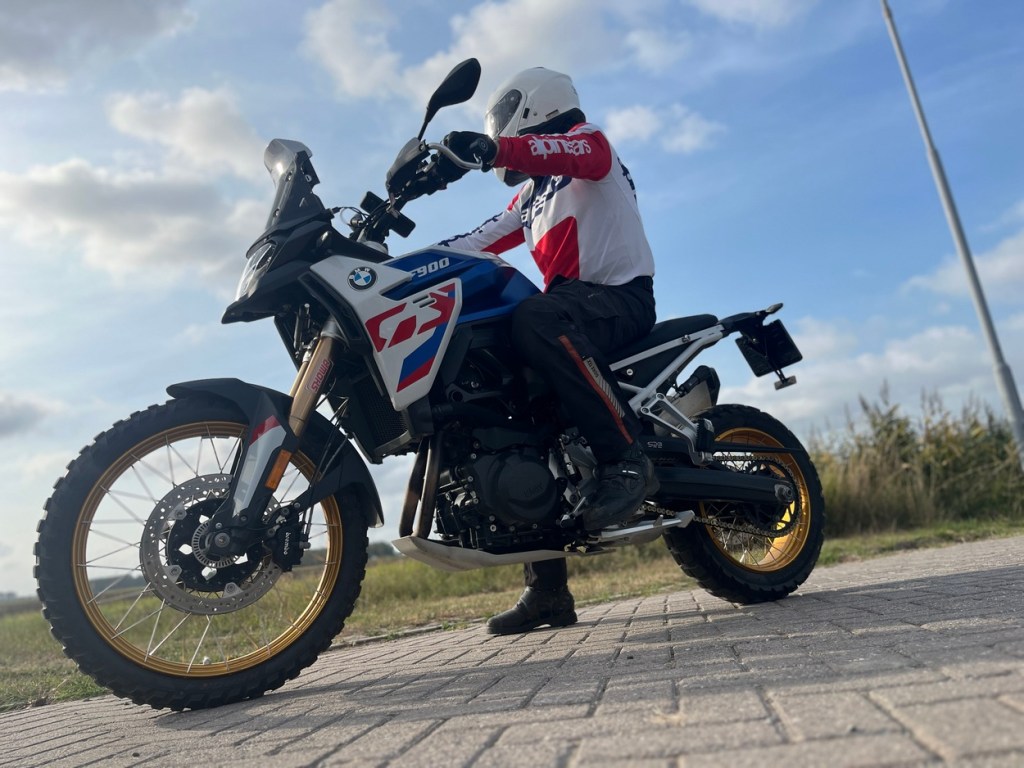
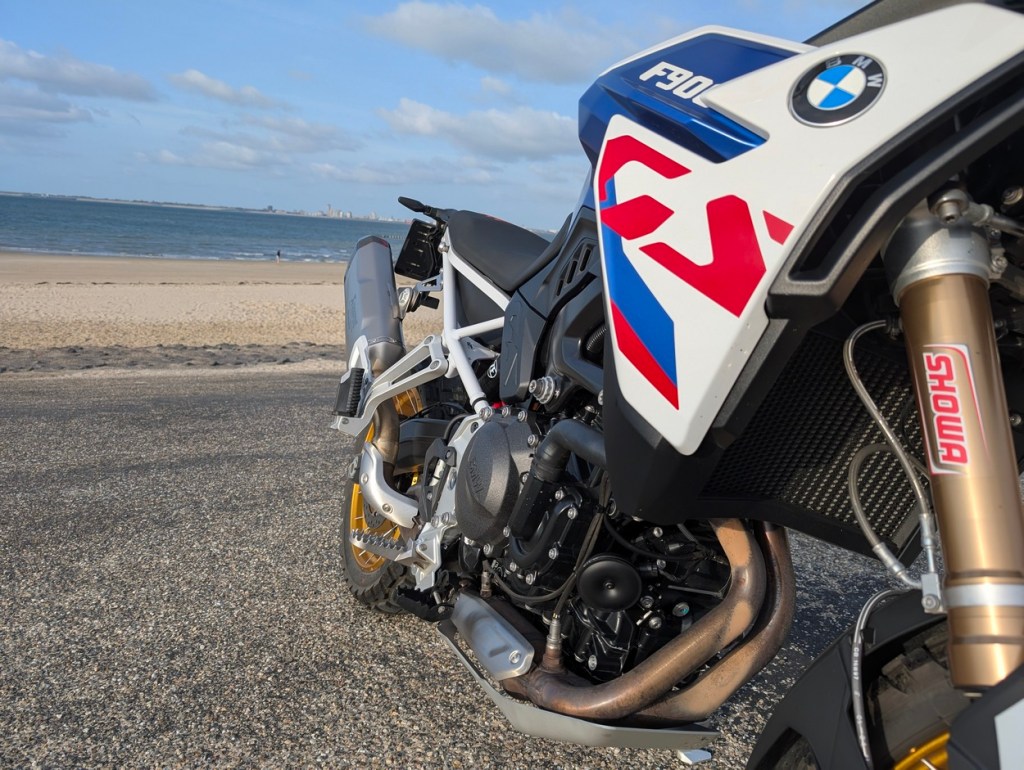
Enter the BMW F 900 GS. In Bavaria, they’ve flipped the script completely and gone all-in on a more hardcore approach. I notice it right away when hopping off Continue reading →
SMT. Supermoto Touring. Or in other words: a playful long-distance bike. Sounds good, right? And yet, the KTM 890 SMT is currently the only bike in the SMT segment. Ducati has its Hypermotards, but those only check the “SM” box, no “T” in sight. Whether that means the other brands don’t see value in the category or avoid it for other reasons, I can’t say. But it sure made me curious to find out how KTM defines those three letters.
So here’s the question: should you look at the SMT as a sport-touring machine (like the ones we see plenty of these days, think of the recently tested Suzuki GSX-S1000GX, the Triumph Tiger Sport 800 or the more adventure-styled Ducati Multistrada V4 S)? Or is the SMT simply in a class of its own?
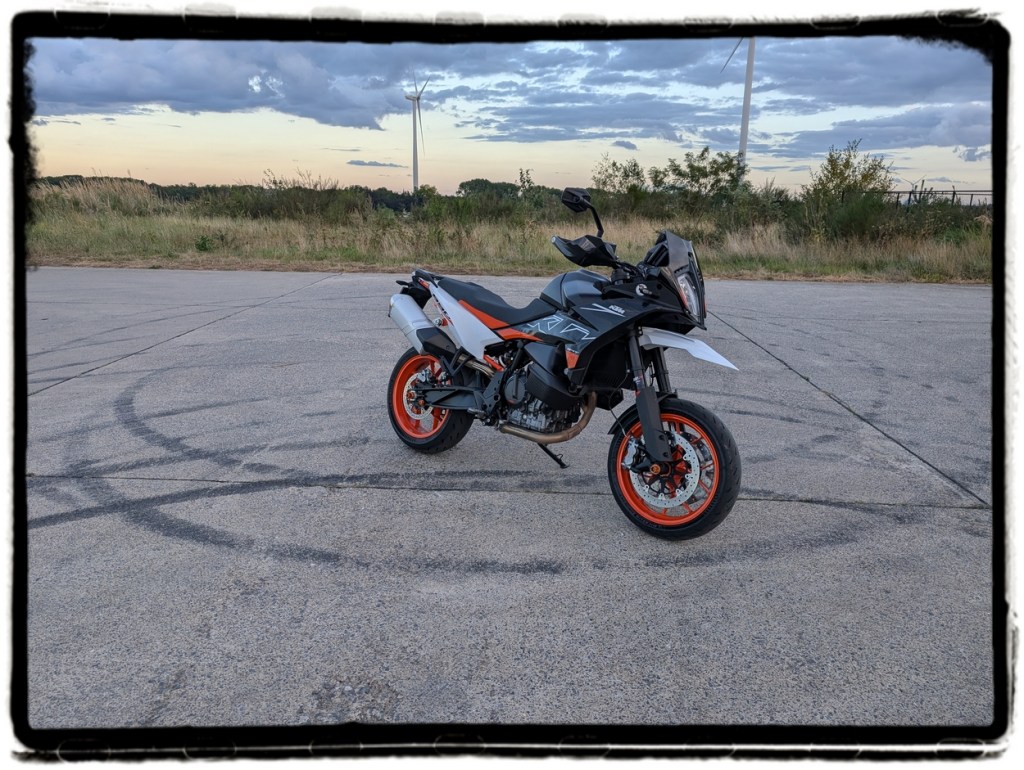
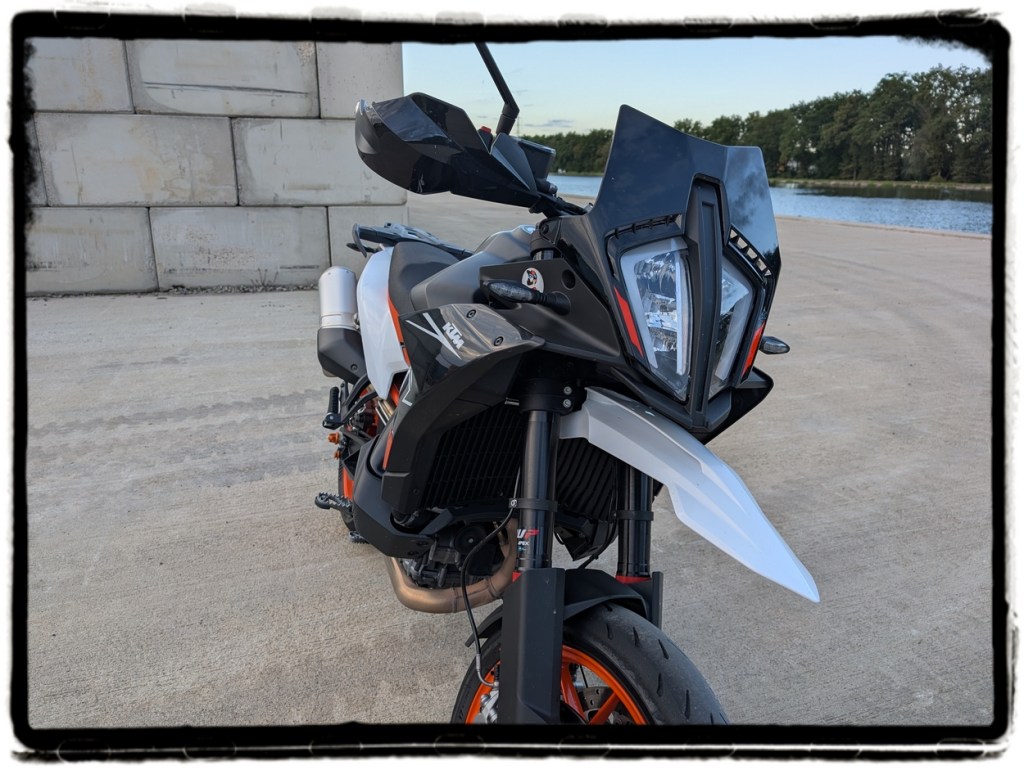
If it’s up to KTM to decide on that matter, it’s definitely the latter. Unlike the trio I just mentioned, KTM’s focus is a lot less on the “T” and much more on the “SM.” The sporty Michelin PowerGP tires and the chopped windscreen make that clear instantly. Add the white beak to the mix and the 890 SMT ends up with a pretty “different” look. It’s a bit of an odd bird. And as we all know, whether you fall for a bike often comes down to looks.
At first glance the 890 SMT might look like an 890 Adventure on street tires, but it’s actually quite different. The SMT rolls on 17-inch wheels, has a shorter suspension travel and swaps Continue reading →
Three years ago, I tested the Harley Street Bob and I have to say, I was pretty smitten with its cruiser vibe. At the same time, it left me itching to try a Harley with more long-distance DNA (read: fairing and saddlebags), without having to climb aboard one of their weighty Touring models.
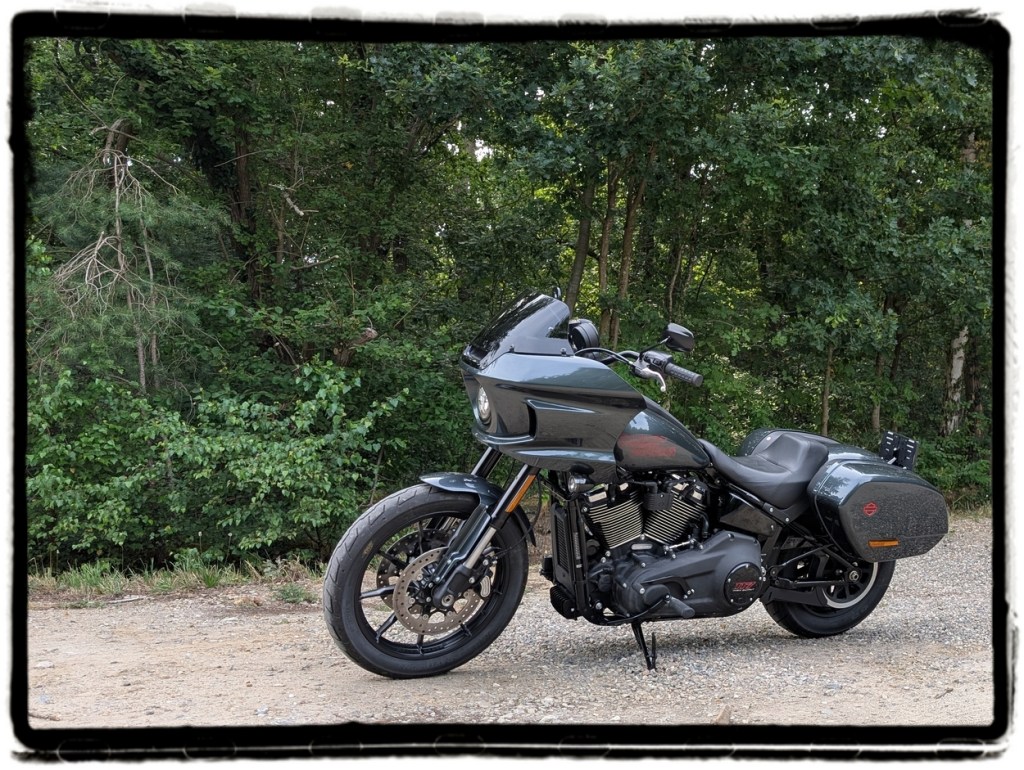
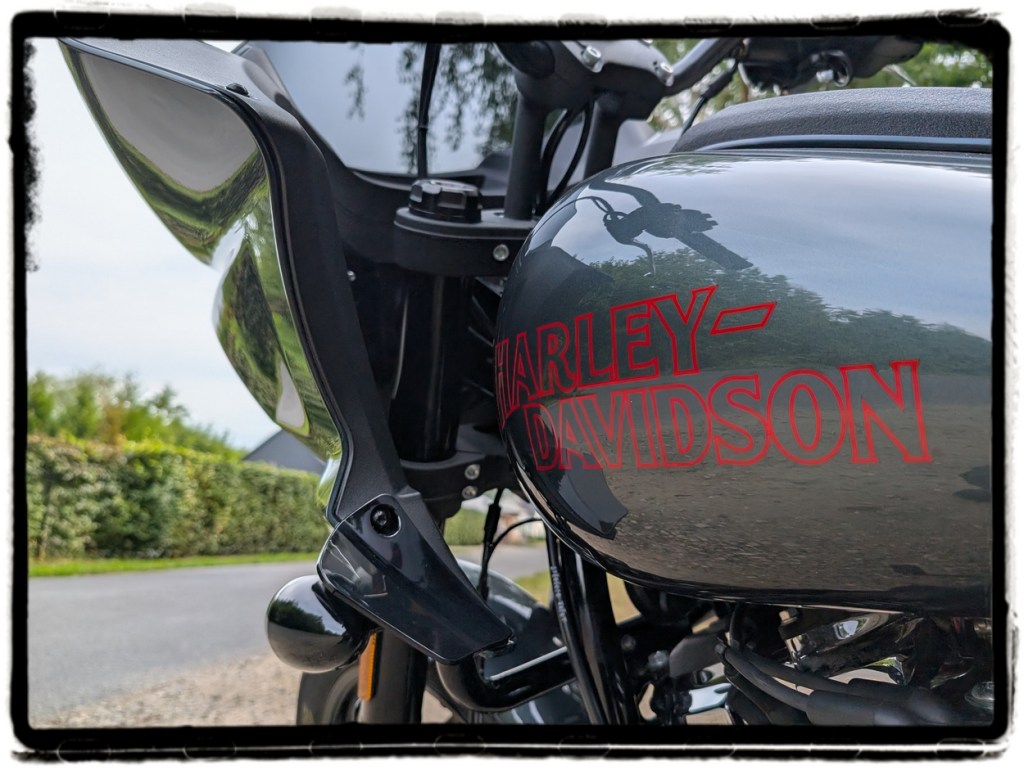
Enter the Harley-Davidson Low Rider ST, the fairing-and-bagged version of the Low Rider S and a proud member of the Cruiser lineup. The ST doesn’t hide where it got its looks. It borrows a hefty scoop of design sauce from the iconic FXRT of the eighties. Retro vibes galore! In fact, with those red letters on gray paint, my test bike looked like it could cameo in Stranger Things.
One walkaround of the ST and I’m already nodding in approval. The fit and finish are solid (with a special mention for that classic yet beautifully designed taillight) and in this blacked-out trim, the bike just looks plain cool. Worth noting: the ST comes standard in chrome (starting at $24,199), and if you want it murdered out, that’ll cost you an extra $1,100. Most paint options also come with a surcharge.
Not exactly cheap, but the ST isn’t some bare-bones, tech-free entry model either. Harley-Davidson is (finally) rolling out Continue reading →
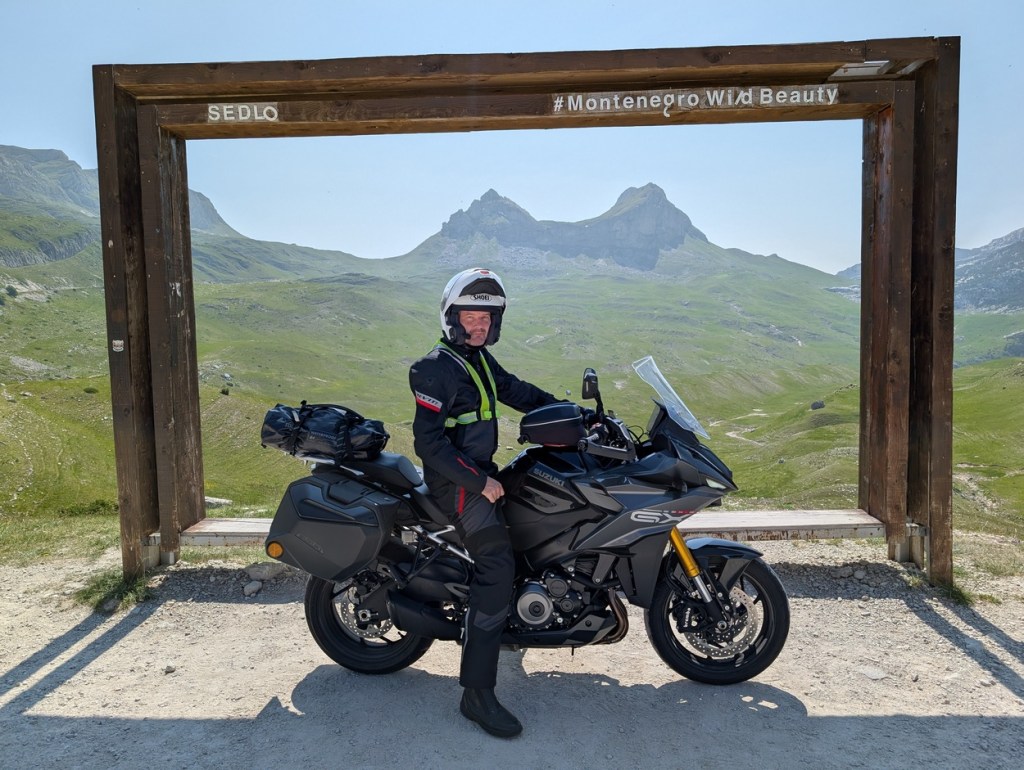
Durmitor National Park in Montenegro has fired up my imagination for years. With its jaw-dropping karst landscapes, turquoise mountain lakes and deep canyons, it’s easily one of Europe’s most breath-taking nature parks. But it’s not exactly around the corner. “Ideal for a sporty touring bike adventure,” I suggested at the editorial table. Suzuki liked the idea too and that’s how I ended up blasting my way to the Balkans on a GSX-S1000GX.
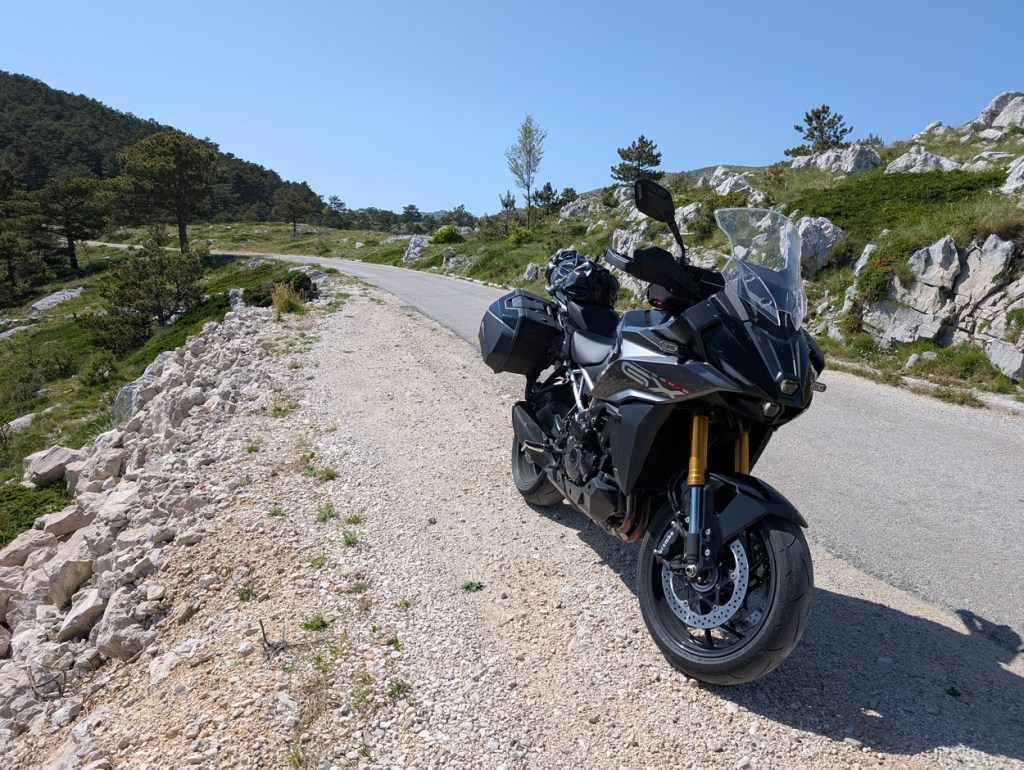
Suzuki’s GSX-S1000GX is their answer to the ever-growing crossover segment: a mix of the comfort and long-travel suspension of an adventure bike with the sharp handling of a road-focused 17-inch-wheeled naked.
Suzuki gave the GX a sharp, angular design. It’s clearly part of the same family as the GT. With its twin stacked headlights and narrowed “side eyes”, I think it’s a seriously good-looking bike. The finish is top-notch and the cockpit feels clean and calm thanks to the absence of exposed cables or awkward gaps.
The GSX-S1000GX is Suzuki’s first motorcycle equipped with adaptive suspension. Judging by the way they showcase it in the brochure, they’re clearly proud of it. But it doesn’t stop there: the GX is packed with electronic rider aids. Suzuki bundles them under the name S.I.R.S. or Suzuki Intelligent Ride Systems. Listing them all would take too long. Best to hop on, ride, and discover them as you go.
My plans take me to the Croatian coast in two days, though I hadn’t accounted for the fact that half of Germany and Austria would be heading in the same direction at the exact same time. The result: massive traffic jams. But also: perfect conditions to Continue reading →
It might seem like the Team Throttle editors have a soft spot for adventure bikes. But appearances can be deceiving because over the past few years, my personal preference has slowly started to shift. Why? Until 2020 I commuted 200 km by motorbike every day, rain or shine, summer or winter. Back then, a comfortable ride just made sense.
In recent years, however, I’ve been working much closer to home. Lane splitting seems useless because it hardly saves any time (though I must admit I still do a bit of it). The result? I’ve become a fair-weather rider, and a comfortable bike doesn’t feel quite so “essential” anymore. Fun and looks can carry a bit more weight now. Not that I find my Ténéré ugly – far from it – but a custom chopper or a cool naked is always welcome in my garage too.
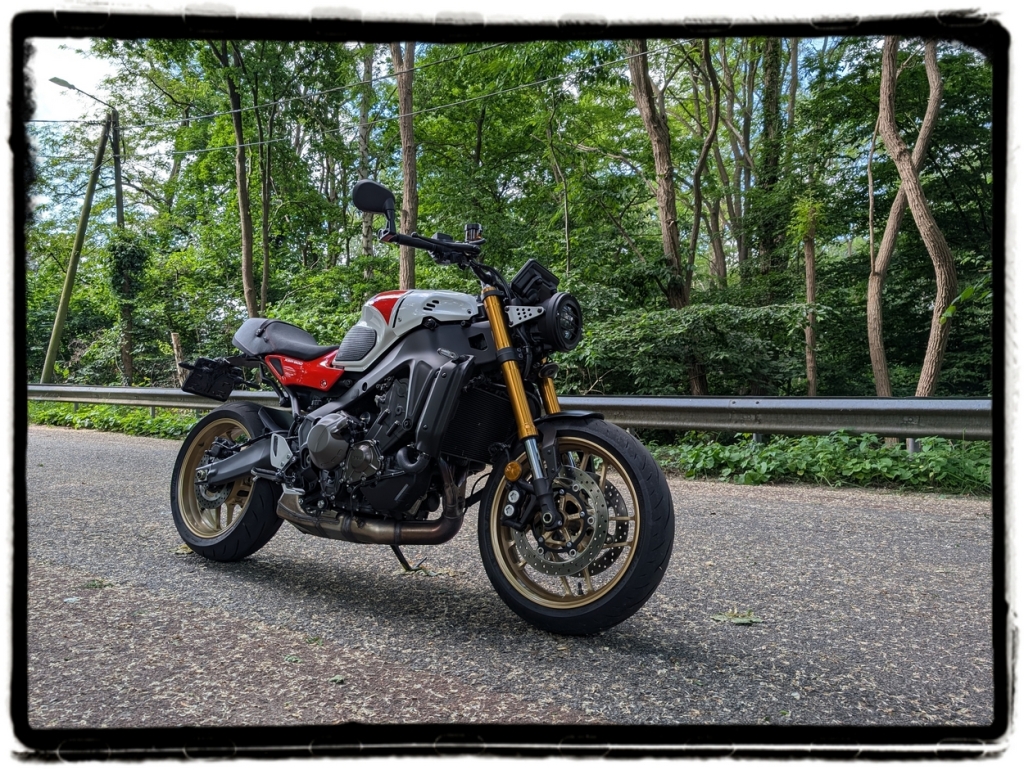
Enter the Yamaha XSR900. Built around the well-known and widely praised CP3 engine. The XSR is part of Yamaha’s Sport Heritage line-up: modern tech wrapped in retro aesthetics. For the XSR900, Yamaha drew inspiration from the 1980s, more specifically from the Deltabox frame that it introduced on its sport bikes back then.
That doesn’t mean the XSR900 is a racing machine, but it definitely Continue reading →
For years there’s been a Triumph Street Triple 765 RS sitting in my garage. I barely ride it, and after every riding season I say with full conviction: “next year I’m selling it”! Yet every spring, it manages to seduce me into taking it for a spin, and bam! That addictive engine, sublime handling and phenomenal brakes never fail to plaster a giant grin across my face.
Unfortunately, that grin doesn’t last long. After half an hour, it turns into a doubtful grimace because the riding position is too cramped for my aging body. And when I tuck the bike back under its cover, I often find myself sighing: “Why doesn’t Triumph make a taller Street Triple?”.
When Triumph introduced the Tiger Sport 800 last year, it felt like my wish had come true. But my first encounter wasn’t entirely positive. During my visit to EICMA, I named Triumph’s latest crossover the disappointment of the show: beautifully designed, but the seated test session was a letdown.
Curious to see if a week-long test ride could change my mind, I took the Sport to the Taunus mountain range in Germany, together with a group of riding buddies.
The 800 clearly inherits its styling from the Tiger Sport 660. Extra DRLs, wind deflectors and a bit more fairing at the bottom give it more presence, although it remains a very slim-looking bike. That impression is reinforced by the narrow tail section. The finish is – just as we’ve come to expect from Triumph – impeccable. Also striking: the visible exhaust. On the 660, the muffler is tucked under the bike.
The Sport 800 comes in four colors: Cosmic Yellow looks stunning but not very timeless, the grey version has the most class and the black one is the coolest in my opinion. For the test, I got the Continue reading →
 Team Throttle