Review: Yamaha XSR900


It might seem like the Team Throttle editors have a soft spot for adventure bikes. But appearances can be deceiving because over the past few years, my personal preference has slowly started to shift. Why? Until 2020 I commuted 200 km by motorbike every day, rain or shine, summer or winter. Back then, a comfortable ride just made sense.

In recent years, however, I’ve been working much closer to home. Lane splitting seems useless because it hardly saves any time (though I must admit I still do a bit of it). The result? I’ve become a fair-weather rider, and a comfortable bike doesn’t feel quite so “essential” anymore. Fun and looks can carry a bit more weight now. Not that I find my Ténéré ugly – far from it – but a custom chopper or a cool naked is always welcome in my garage too.

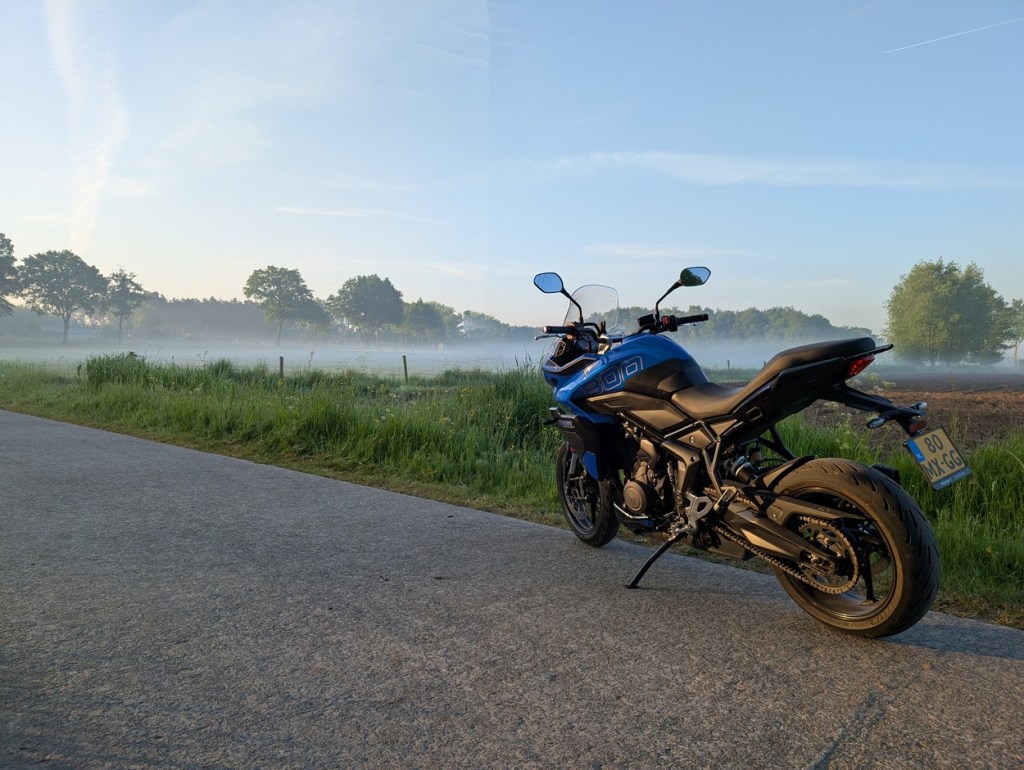
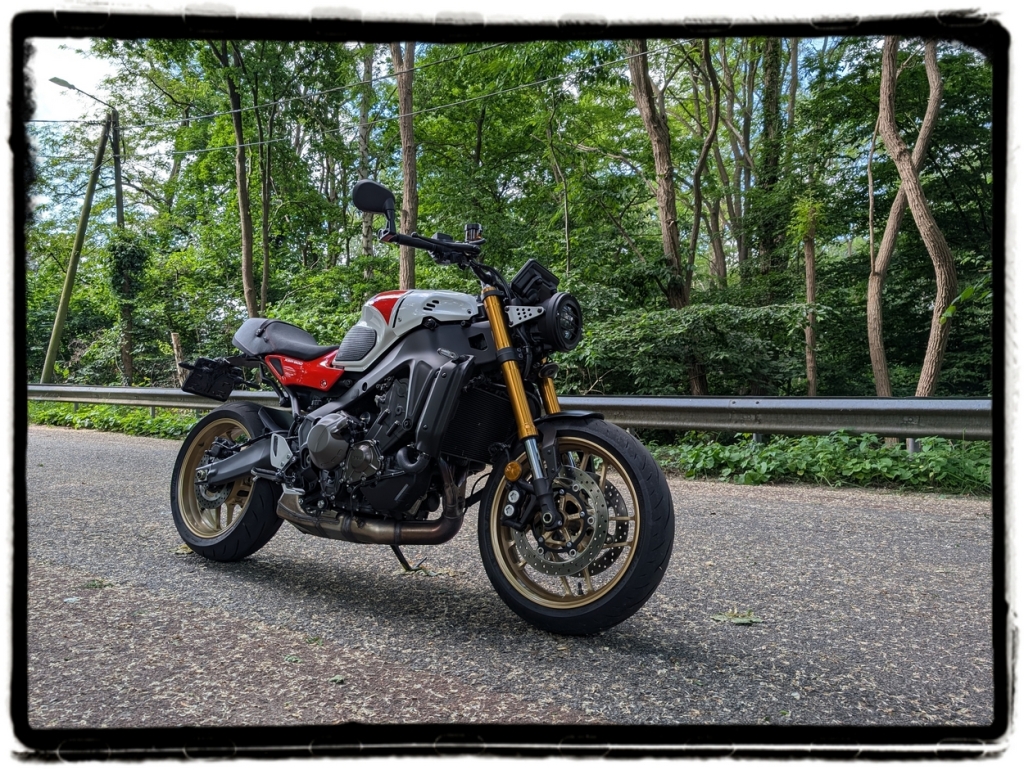
Enter the Yamaha XSR900. Built around the well-known and widely praised CP3 engine. The XSR is part of Yamaha’s Sport Heritage line-up: modern tech wrapped in retro aesthetics. For the XSR900, Yamaha drew inspiration from the 1980s, more specifically from the Deltabox frame that it introduced on its sport bikes back then.

That doesn’t mean the XSR900 is a racing machine, but it definitely Continue reading
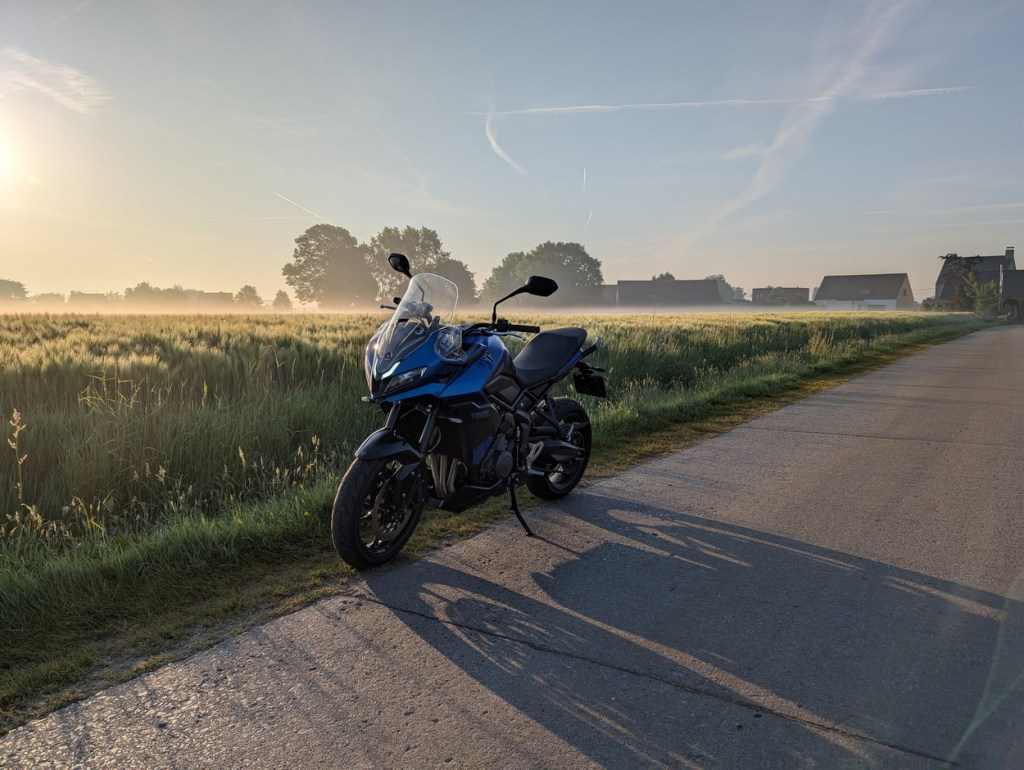
Review: Triumph Tiger Sport 800

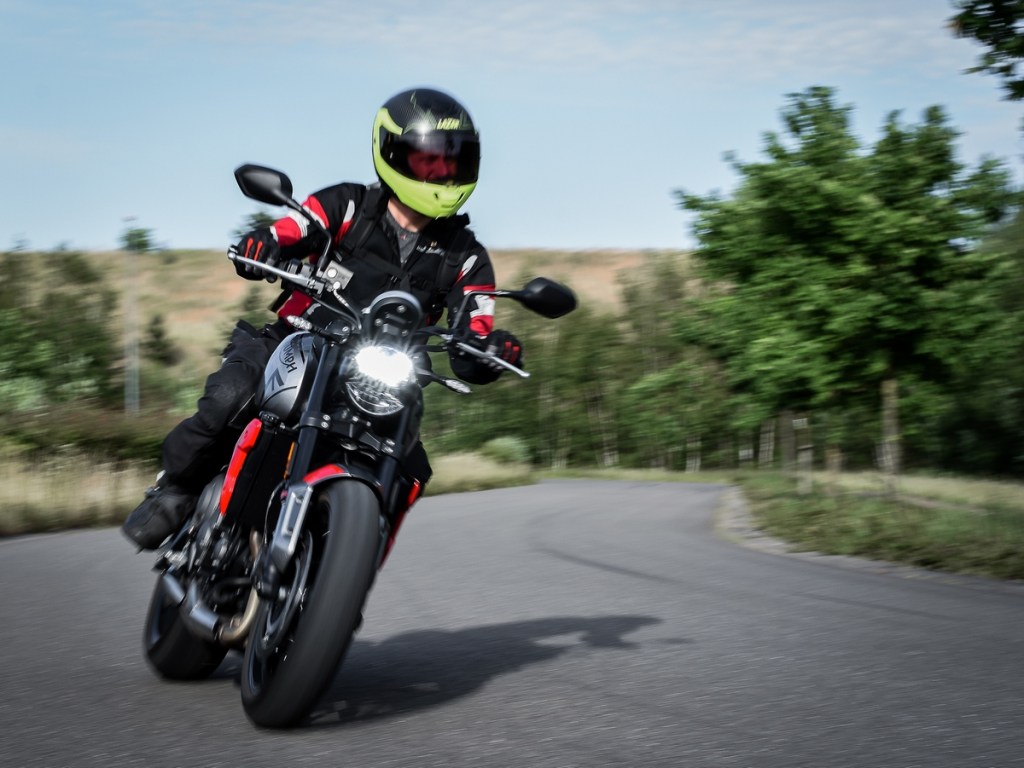
For years there’s been a Triumph Street Triple 765 RS sitting in my garage. I barely ride it, and after every riding season I say with full conviction: “next year I’m selling it”! Yet every spring, it manages to seduce me into taking it for a spin, and bam! That addictive engine, sublime handling and phenomenal brakes never fail to plaster a giant grin across my face.

Unfortunately, that grin doesn’t last long. After half an hour, it turns into a doubtful grimace because the riding position is too cramped for my aging body. And when I tuck the bike back under its cover, I often find myself sighing: “Why doesn’t Triumph make a taller Street Triple?”.


When Triumph introduced the Tiger Sport 800 last year, it felt like my wish had come true. But my first encounter wasn’t entirely positive. During my visit to EICMA, I named Triumph’s latest crossover the disappointment of the show: beautifully designed, but the seated test session was a letdown.

Curious to see if a week-long test ride could change my mind, I took the Sport to the Taunus mountain range in Germany, together with a group of riding buddies.


The 800 clearly inherits its styling from the Tiger Sport 660. Extra DRLs, wind deflectors and a bit more fairing at the bottom give it more presence, although it remains a very slim-looking bike. That impression is reinforced by the narrow tail section. The finish is – just as we’ve come to expect from Triumph – impeccable. Also striking: the visible exhaust. On the 660, the muffler is tucked under the bike.

The Sport 800 comes in four colors: Cosmic Yellow looks stunning but not very timeless, the grey version has the most class and the black one is the coolest in my opinion. For the test, I got the Continue reading

Travel test: Triumph Tiger 900 Rally Pro


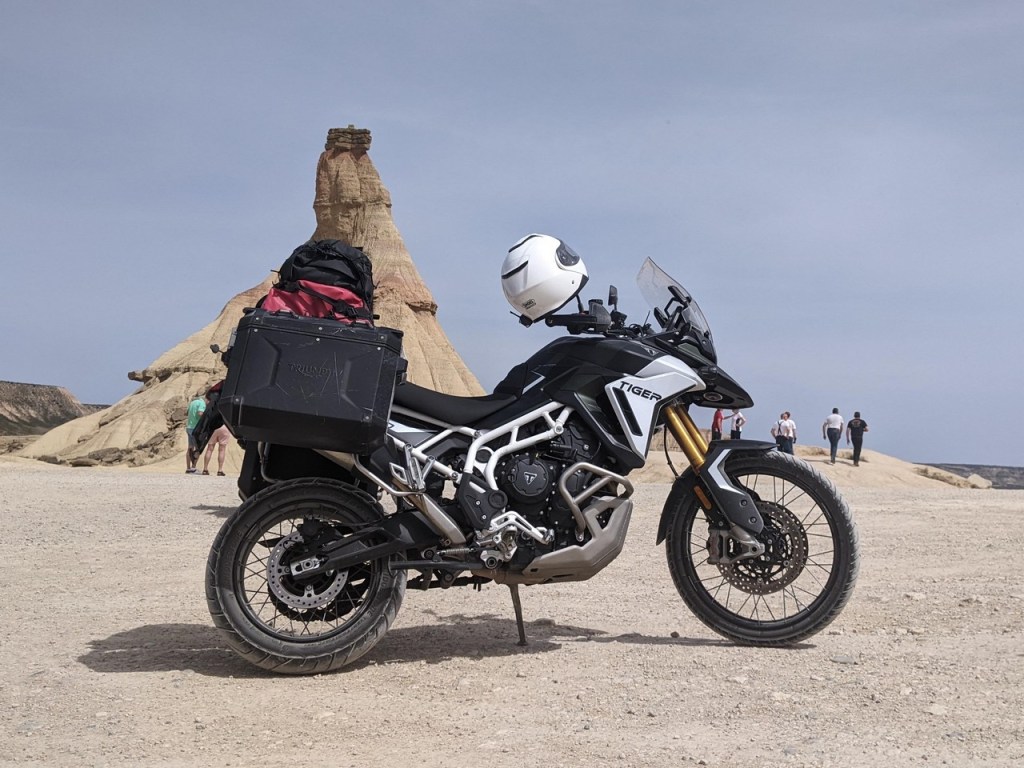
The Triumph Tiger has always held a special place in my motorcycling heart. When I tested the Tiger 800 XCA in 2015, I immediately ordered one. And even though I traded in that Tiger five years later for a big twin, my love for the three-cylinders from Hinckley is still strong. My Street Triple RS doesn’t rack up nearly as many miles as it deserves, yet it never fails to put a broad smile on my face every time I ride it. I’m curious to see if the same holds true for the new Tigers. That’s why I was eagerly anticipating taking the Triumph Tiger 900 Rally Pro on a week-long trip to the Picos de Europa.


New generation

In 2020, Jean tested the Tiger 900 Rally Pro in the Moselle region. For the 2024 model year, Triumph has refreshed its 900 lineup. The changes compared to the previous model may seem subtle, but they are far from it.

To start with, the number of Tigers (and specifically the 900 series) has been reduced from an overwhelming seven models to just three. Because it turned out that the vast majority of buyers opted for the lavishly equipped top versions. From this year on, there are Continue reading

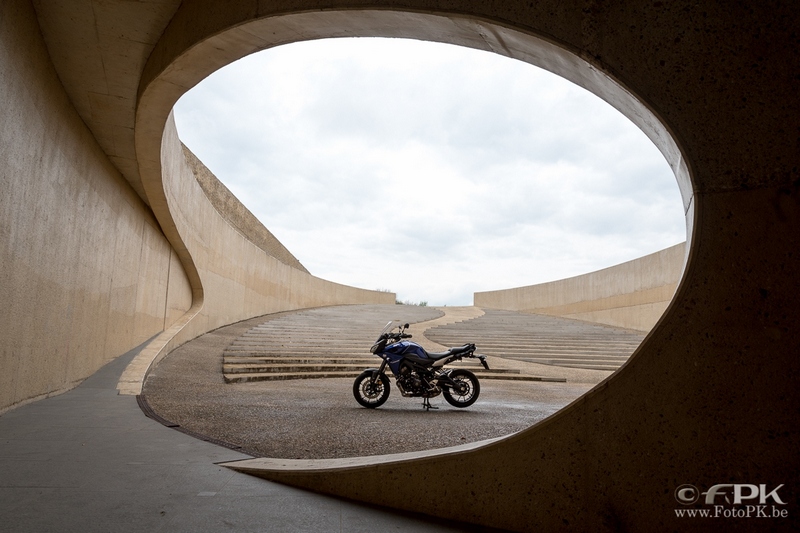
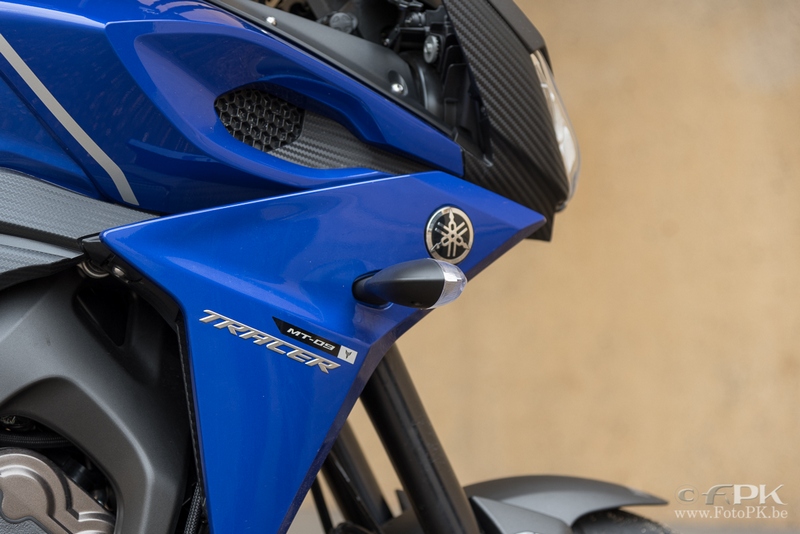
Review: Yamaha Tracer 9

Fans of triples who were looking for a mid-class sports tourer in recent years, didn’t have much choice. In 2007, the Triumph Tiger 1050 Sport was launched, and that was really your only option until two new models hit the scene in 2015: the Yamaha MT-09 Tracer (renamed Tracer 900 in 2017) and the MV Agusta Turismo Veloce. That list of three was short-lived, because production of the Tiger Sport stopped in 2016.

In 2020 Yamaha unveiled the successor to the Tracer 900. In addition to a welcome facelift and two zeros less on its identity card, the new Yamaha Tracer 9 was also thoroughly overhauled underneath its fairings. Just in time, because in 2021 a third mid-class triple sports tourer suddenly showed up: the Triumph Tiger 850 Sport.

We haven’t ridden either competitor, and to be honest another model is a lot higher on our wishlist: after a very convincing week with the Triumph Trident 660, we are very curious about its sports tourer brother, the Tiger Sport 660.

But back to the order of the day: the Yamaha Tracer 9. After our test with its predecessor, I was completely convinced with what the Japanese had presented me – except for some detail criticism. Also the looks were actually already passé two years after its introduction.

Fortunately, the new looks of the Tracer 9 improved a lot. Fresh, sharp and sporty, perfectly translating the character of the bike. The Tracer 900’s bombastic handguards have been traded for less over the top ones, and the slim LED turn signals add refinement. As far as I’m concerned, only the Continue reading

Review: Triumph Trident 660

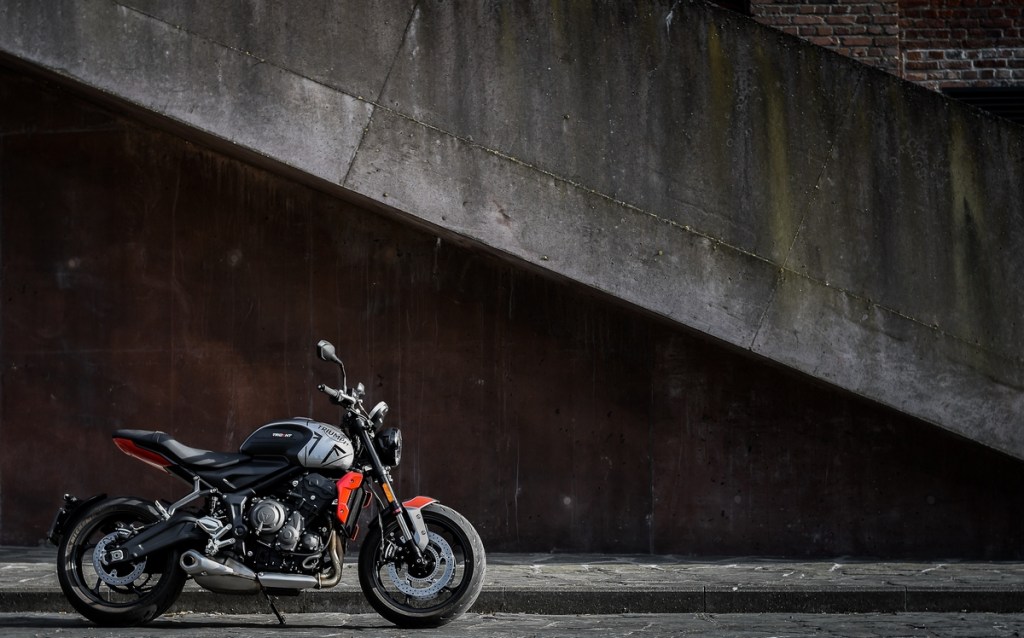
“Ah, there you’ll have it.” That’s what crossed my mind when Triumph announced the new Trident. Because isn’t it logical that Triumph, with its rich triple history, also offers a more “classic” three-cylinder naked in the current range?

The new Triumph Trident 660 is the third Trident generation. From 1968 to the mid-1970s and well into the 1990s, Triumph built its first two generations. The new one received a 660 cc engine, as its name suggests.

That engine is very different from the one in the Street Triple S, which also has a 660 cc heart. Of course the Trident takes over some parts from the Street, but just under 70 new components provide a different engine character. While the Street’s three-cylinder mainly emphasizes sporty top end power, the Trident aims at the lower and middle revs. You can also see it in the Continue reading

Review: Yamaha Tracer 900

In 2013 Yamaha released the MT-09 (then called FZ-09 in North America). A brutal naked with a widely praised three-cylinder engine, although comfort and versatility aren’t its strenghts. Which sparked an idea: in 2015 the Japanese manufacturer revealed the MT-09 Tracer (then called FJ-09 in North America): a sporty motorcycle with clear touring features and the same MT-09 engine. Since this year it’s called Tracer 900 but otherwise the bike remains unchanged.

So how do you transform a naked into a sports tourer? Yamaha did the trick with a few additions and changes. A more upright sitting position, some fairing, a bigger tank, an adjustable windscreen, wider handlebars, a higher, adjustable seat, a centerstand, a 12V socket and handguards. Only cruise control and heated grips are missing, even though the latter’s on the option list.

But before we go into detail, first let’s have an overall look. The Tracer 900 appears a lot less aggressive than the MT-09 but it does have personality. Okay, maybe a bit of a “Transformers” personality but other than that there’s hardly anything to complain about. The finishing is good, with a nice looking, powerful LED headlight.

Touring additions

Let’s go a little deeper into the touring additions. The seat is quite spacious and offers two heights (check the video to learn how to change the seat height). It’s pretty firm so your butt might start complaining after an hour’s ride. The optional comfort seat could counter those complaints.

In contrast to your butt, your legs can easily cope with longer rides: they’re not forced into a too sharp angle. The seating position is straight and relaxed, with the windshield leading most of the wind away from your torso. You can adjust that windshield in height but not while riding. Continue reading